


14 July 2025: Clinical Research
Effects of Heated Tobacco Use on Blood Parameters and Cardiovascular Risk in Healthy Men
Beata Świątkowska  ABCDEF 1*, Mateusz Jankowski ABCDE 2, Dorota Kaleta ABCDEFG 1
DOI: 10.12659/MSM.948556
Med Sci Monit 2025; 31:e948556


Abstract
BACKGROUND: Heated tobacco products (HTPs) are new forms of electronic tobacco products. Limited data exist on their effects on human health. This study aimed to compare the health effects of HTPs with non-smoking controls, focusing on biomarkers like fibrinogen and adhesion molecules.
MATERIAL AND METHODS: This case-control study was conducted between 2023 and 2024 among healthy males in Łódź Province, Poland. The case group (n=117) included past 90-day daily heated tobacco users (regular HTPs users), and the control group (n=113) included males who had not used nicotine-containing products in the past 90 days. A series of questionnaires were completed, and a blood sample (20 milliliters) was collected. Laboratory tests included: complete blood count, adhesion molecules VCAM-1 and ICAM-1 concentration, c-reactive protein (CRP), and fibrinogen levels.
RESULTS: The mean red blood cell count was higher in controls than in cases (5.10±0.30 vs 4.99±0.34; P=0.01), but mean corpuscular volume (MCV) and mean corpuscular hemoglobin (MCH) were higher in cases than in controls: 91.77±3.59 vs 89.83±4.97 (p<0.001) and 30.74±2.88 vs 30.33±1.73 (p=0.01). Fibrinogen levels were significantly higher in cases than in controls (267.75±82.77 vs 243.8±84.40; P=0.03). There were no statistically significant differences (P>0.05) in VCAM-1 and ICAM-1 concentrations and CRP levels between cases and controls.
CONCLUSIONS: Regular use of heated tobacco leads to an increase in fibrinogen levels, which can increase the risk of cardiovascular diseases.
Keywords: Case-Control Studies, Fibrinogen, Health, Tobacco Products, tobacco use, Humans, Male, adult, Cardiovascular Diseases, Middle Aged, Poland, biomarkers, C-Reactive Protein, Hot Temperature, Intercellular Adhesion Molecule-1, Vascular Cell Adhesion Molecule-1, Heart Disease Risk Factors, Electronic Nicotine Delivery Systems
Introduction
Tobacco use, including smokeless tobacco, is a significant risk factor for many diseases, including the circulatory system, cancers, and lung diseases [1,2]. Recent studies on health biomarkers indicate the growing importance of inflammatory biomarkers and adhesion molecules, which can predict the development and preservation of atrial fibrillation, cardiovascular mortality, and morbidity [3,4]. It has been shown that elevated levels of adhesion molecules such as intracellular adhesion molecule (ICAM-1) and vascular cell adhesion molecule (VCAM-1) can be independent risk factors for atherosclerosis and cardiovascular disease [5]. ICAM-1 and VCAM-1 are crucial for leukocyte migration to sites of inflammation, which is important in the context of the development of inflammation and endothelial dysfunction [5]. Tobacco smoking is also associated with an increase in fibrinogen and C-reactive protein (CRP), which are indicators of inflammation in the body [6,7]. Elevated levels of these biomarkers indicate an increased inflammatory response, which can lead to further damage to blood vessels and the development and progression of cardiovascular disease, including atherosclerosis and heart failure [8–10].
Smoking is correlated with higher levels of soluble ICAM-1 (sICAM-1), and soluble VCAM-1 (sVCAM-1) increases the expression of these adhesion molecules in endothelial cells in a time- and dose-dependent manner [11,12]. Elevated ICAM-1 and VCAM-1 concentrations and fibrinogen level in serum may serve as biomarkers for early detection of cardiovascular disease in smokers. Interventions aimed at reducing adhesion molecules may help reduce the risk of atherosclerosis and related cardiovascular events [13].
Heated tobacco products (HTPs) are new forms of electronic tobacco products that are heat-processed tobacco sticks that release aerosol with nicotine and chemicals [14,15]. The overall global prevalence for lifetime HTPs use is 4.87% and current use is estimated at 1.53% [14]. HTPs have been marketed since 2014, so there have been few studies on the health effects of heated tobacco use in humans [15]. There is a shortage of research on specific tobacco products to help policymakers and regulators address the changing and expanding global tobacco market. Previously published reports presented the short-term health effects of HTP use, such as acute respiratory changes and immediate cardiovascular effects – significant increases in blood pressure and heart rate, increased arterial stiffness, propensity to clot formation, and cardiovascular stress – similar to the effects of conventional combustible cigarettes [16–18]. There is limited understanding of the health effects of heated tobacco products. Therefore, there is a need to investigate newly established and previously known adverse health effects related to HTP, particularly in countries with a high prevalence of HTPs use. Data on biomarkers like fibrinogen and adhesion molecules are particularly important to elucidate the cardiovascular effects of HTPs use. Studies on the health effects of HTPs in humans may have implications for public health policy and legal regulation of novel tobacco products.
Therefore, this study aimed to compare the health effects of HTPs with non-smoking controls, focusing on biomarkers like fibrinogen and adhesion molecules. Moreover, the secondary aim was to assess the potential impact of heated tobacco use on cardiovascular health.
Material and Methods
STUDY DESIGN:
This case-control study was carried out among healthy males in Łódź Province, Poland between January 2023 and July 2024. The case group included past 90-day daily heated tobacco users (regular HTPs users) and controls included males who had not used nicotine-containing products in the past 90 days. An active recruitment network was used, including information spread through academic institutions and medical facilities in Łódź Province. Individuals who declared willingness to participate in this study were admitted to 1 of 2 medical facilities that were contracted for this study and trained by the research team. Each subject was screened (physical examinations combined with short interviews) by a trained doctor. If eligible, subjects were assigned to a case or control group and referred to for selected measurements and blood sample collection. All participants reported fasting, and cases were asked not to use nicotine products on the day of the study. Participation in this study was voluntary and informed consents were collected. This study was approved on November 8, 2022 by the Ethics Committee of the Medical University of Łódź (decision no. RNN/235/22/KE).
STUDY POPULATION:
The study population included 230 healthy adult males, including 117 regular heated tobacco users and 113 males who had not used nicotine-containing products in the past 90 days.
The case group included males, without chronic diseases, who smoked at least 1 heated tobacco stick (IQOS or glo) daily in the last 90 days. Moreover, those who declared regular (at least 15 days/month) use of cigarettes or e-cigarettes were classified as dual users. The presence of chronic diseases was self-declared based on a series of questions on past medical diagnosis by a doctor and regular taking of medicines. On the day of reporting to the medical facility, patients were examined by a doctor to exclude infections and diseases on the day of sampling.
The control group included males, without chronic diseases, who did not use nicotine products, including cigarettes, e-cigarettes, heated tobacco products, and nicotine replacement therapy, in the last 90 days, have smoked less than 100 cigarettes in their lifetime, have used an e-cigarette no more than once in their entire life, and have used HTP no more than once in their entire life. On the day of reporting to the medical facility, controls were examined by a doctor to exclude infections and diseases on the day of sampling. Controls were matched to cases based on age.
Women were not included in the study due to the potential influence of hormones and menstrual cycles on laboratory test results.
Smoking status was assessed based on self-declared responses in the study questionnaire and verified with a saliva cotinine test (Salimetrics 1-2002, Stratech Scientific Ltd, UK). Participants were asked about ever and current (past 90 days) use of 3 groups of nicotine-containing products: cigarettes, e-cigarettes, and heated tobacco products. Cases were also asked about habits and behaviors related to the consumption of nicotine-containing products.
The characteristics of the pilot study based on findings from 1 medical facility were published in 2024 [19].
MEASURES:
Each subject underwent basic anthropometric measurements (height, weight, waist, and hip circumference), assessment of the concentration of carbon monoxide in exhaled air, blood pressure measurement, and blood sample collection (20 milliliters). The following blood tests were conducted:
Human Luminex® Discovery Assay Human Premixed Multi-Analyte Kit (Luminex Corp, US) was used to assess VCAM-1 and ICAM-1 concentrations. MILLIPLEX® Human Cardiovascular Disease (CVD) Magnetic Bead Panel 3 (Acute Phase) 96-Well Plate Assay was used to assess CRP and fibrinogen levels. All tests were conducted in the Central Scientific Laboratory of the Medical University of Łódź (CoreLab) by qualified medical diagnostics specialists.
STATISTICAL ANALYSIS:
Statistical analysis was conducted using IBM SPSS Statistics 29 (IBM, Armonk, NY, USA). The Shapiro-Wilk test was used for testing normality of variables distributions. Student’s t-test or non-parametric tests Mann-Whitney U test were used to compare differences in the distribution of quantitative variables between the cases and controls. Spearman’s rank correlation was used to analyze the correlation between the adhesion molecules concentration/fibrinogen levels and the daily number of heated tobacco sticks used in the last 90 days. Statistical significance was assessed at p<0.05.
Results
CHARACTERISTICS OF THE STUDY POPULATION:
A total of 230 healthy males took part in this study. The mean age of cases was 32.2±9.6 years, and the mean age of controls was 34.3±9.6 years. Among cases, 86.3% had tried cigarettes and 75.2% had tried e-cigarettes. Among the controls, 12% had tried heated tobacco products, 21.6% had tried cigarettes, and 24.8% had tried e-cigarettes (Table 1).
The most common types of heated tobacco devices used by cases were IQOS (47%) and glo (35.1%). Among cases, 8.5% used HTPs once a day, 28.2% used 2–5 heated tobacco sticks per day, 15.4% used 6–10 heated tobacco sticks per day, 35.9% used 11–20 heated tobacco sticks per day, and 12% used more than 20 sticks per day. The most common flavors of heated tobacco stick were tobacco flavor (27.4%), menthol (27.4%), mint (19.6%), and blueberry (17.1%). Among cases, 6% also smoked regular cigarettes, and 25.6% used e-cigarettes for more than 15 days in a month.
There were no statistically significant differences (P>0.05) in anthropometric measurements results, exhaled carbon monoxide (CO) levels, and blood pressure measurements levels between cases and controls (Table 2).
COMPLETE BLOOD COUNT:
A comparative evaluation of complete blood count results between cases and control is presented in Table 3. Mean red blood cell count was higher in controls than in cases (5.10±0.30 vs 4.99±0.34; P=0.01). However, the mean corpuscular volume (MCV) and mean corpuscular hemoglobin (MCH) were higher in cases than in controls: 91.77±3.59 vs 89.83±4.97 (P<0.001) and 30.74±2.88 vs 30.33±1.73 (P=0.01). There were no statistically significant differences in other complete blood count results (Table 3).
ADHESION MOLECULES CONCENTRATION, C-REACTIVE PROTEIN (CRP), AND FIBRINOGEN LEVELS:
A comparative evaluation of adhesion molecule concentration, C-reactive protein (CRP), and fibrinogen levels is presented in Table 4. There were no statistically significant differences (P>0.05) in VCAM-1 and ICAM-1 concentrations and CRP levels between cases and controls. Fibrinogen levels were significantly higher in cases than in controls (267.75±82.77 vs 243.8±84.40; P=0.03). There were no statistically significant correlations (P>0.05) between the concentration of adhesion molecules, fibrinogen levels, and the daily number of heated tobacco sticks used in the last 90 days among heated tobacco users (Table 5).
Discussion
This case-control study on the health effects of heated tobacco products includes one of the largest populations of HTPs users published to date. Among regular heated tobacco users (daily use of HTPs in the past 90 days) compared to controls, elevated levels of fibrinogen were observed. In this study, there were no significant differences in adhesive molecules (ICAM-1 and VCAM-1) or CRP levels between HTPs users and controls. The mean red blood cell count was higher in controls than in cases, but in complete blood count, the MCV and MCH were higher in cases than in controls. This study also revealed no differences in exhaled CO levels between HTPs users and controls.
Currently available human-based studies on health effects of HTP use linked HTPs use with an increase in blood pressure and heart rate, increased arterial stiffness, propensity to clot formation, and cardiovascular stress [16–18]. Zięba et al also showed that HTPs use induces oxidative stress and increases the concentration of lipid peroxidation products, leading to disturbance of the lipid balance of the oral cavity [20].
The role of ICAM-1 and VCAM-1 concentrations in health is multifaceted [21–30]. These adhesion molecules affect various pathogenic processes and inflammatory responses in cardiovascular diseases [21,22], asthma [23], kidney disease [24,25], cancer [26,27], schizophrenia and bipolar disorder [28,29], and, most recently, in COVID-19 [30]. VCAM-1 and ICAM-1 are adhesion molecules that play an important role in the interactions between endothelial cells and leukocytes. VCAM-1 binds to the VLA-4 integrin of monocytes and macrophages, while ICAM-1 interacts with the LFA-1 integrin on lymphocytes and other leukocytes [5]. Both molecules are involved in the migration of inflammatory cells to sites of inflammation. During inflammation, ICAM-1 and VCAM-1 facilitate the process and increase leukocyte proliferation [31]. High levels of ICAM-1 and VCAM-1 in the bloodstream and on the surface of the vascular endothelium are associated with increased inflammatory response, migration of inflammatory cells to damaged areas, deterioration of vascular function, and cardiovascular events [32]. Increased concentrations of adhesion proteins are often observed in patients with hypertension, where their presence correlates with increased inflammation, damage to blood vessels and, consequently, the development and progression of atherosclerosis.
Elevated serum concentrations of ICAM-1 and VCAM-1 are associated with an increased risk of atherosclerosis and cardiovascular diseases, which is important in the context of the higher risk of heart disease and hypertension in smokers [33,34]. Additionally, studies on the health effects of tobacco smoking provide evidence that smoking increases levels of ICAM-1 and VCAM-1, particularly ICAM-1 [35]. These changes are associated with abnormal leukocyte activation and inflammation, which supports the idea that substances contained in tobacco smoke can induce vascular endothelial dysfunction and that elevated levels of these molecules in smokers may reflect tobacco-induced vascular damage. Mazzone et al [36] found higher soluble VCAM-1 levels in the serum of smokers than in non-smokers. Ardiana et al reported that exposure to cigarette smoke can increase VCAM-1 expression in the aorta, although the increase was not statistically significant [37]. Some studies suggest that increased sICAM-1 levels in smokers are not an immediate effect of smoking, but rather are dose-dependent and reversible [38].
As tobacco smoking increases ICAM-1 and VCAM-1 levels, we could expect an increase in ICAM-1 and VACAM-1 in heated tobacco users [33–35]. However, in this study, there were no statistically significant differences in ICAM-1 and VCAM-1 concentrations between regular HTPs users and non-smoking controls. We hypothesize that the duration of exposure, including duration of HTPs use as well as daily number of heated tobacco sticks consumed per day, in cases was too small to significantly affect adhesion molecule levels. Most of the heated tobacco users consumed up to 10 heated tobacco sticks per day (52.1%), and only 12% of HTPs users consumed more than 20 heated tobacco sticks per day. Further studies should be carried out among heavy heated tobacco users.
Fibrinogen, a plasma protein responsible for blood clotting, also plays a key role in hemostasis and inflammation. Its serum level is considered a significant risk indicator for many conditions, including cardiovascular disease and other cardiovascular risk factors such as obesity and type 2 diabetes [39,40]. Higher levels of fibrinogen are associated with blood vessel damage and an increased risk of thrombi leading to embolism [41,42]. Studies have shown that increased plasma fibrinogen content may be due to inflammatory disorders [40,43]. Cigarette smoking causes oxidative stress and increases fibrinogen levels and artery wall thickness [44,45]. In smokers, higher fibrinogen levels correlate with elevated blood pressure and other cardiovascular risk markers, confirming that smoking is the dominant determinant of fibrinogen levels in the general population [46]. Findings from this study showed significantly higher fibrinogen levels in regular heated tobacco users compared to non-smoking controls. This observation is similar to those observed in smokers and may point out cardiovascular risks related to heated tobacco use, especially the risk of blood clots. The relationship between fibrinogen concentration and health risks, especially in the context of using novel tobacco products, duration of exposure, and dual use of different nicotine-containing products, requires further research.
C-reactive protein (CRP) is a common marker of inflammation [6,7]. However, elevated CRP levels are also observed during viral or bacterial infection. As we recruited healthy adults without chronic diseases and visible signs of infections, past 90-day use of heated tobacco may be too short to evoke significant changes in CRP levels.
There was no significant correlation between the daily number of heated tobacco sticks and adhesive molecules concentration, CRP, and fibrinogen level, but most of the cases were light-to-moderate heated tobacco users. Further studies should include heated tobacco users who consume over 20 heated tobacco sticks per day.
Studies carried out among smokers showed that smokers had a higher number of red blood cells when compared to non-smokers [47,48], possibly caused by carbon monoxide exposure and its impact on oxygen transport and utilization. In this study, there were no significant differences in exhaled CO levels between HTPs users and controls, which agrees with previous studies on heated tobacco [17]. Due to the lack of combustion during heated tobacco use, CO is released in smaller amounts compared to smoking tobacco [15]. In this study, findings from the complete blood count tests showed that mean red blood cell count was higher in controls than in HTPs users, but the MCV and MCH were higher in cases than in controls. MCV measures the average size of red blood cells and MCH refers to the amount of hemoglobin in a red blood cell [49]. We hypothesize that due to different mechanisms of use and CO emissions between HTPs and cigarettes, the impact of heated tobacco use on red blood cell count differs from smoking. However, we hypothesize that despite the lower number of red blood cells in heated tobacco users compared to non-smoking controls, a compensation mechanism related to higher red blood cells (MCV) and higher amount of hemoglobin (MCH) may occur in heated tobacco users.
In this study, controls were matched to cases based on age. Cases and control were all healthy males, so major potential confounding variables were controlled. Other variables were very difficult to control, as a limited number of potential participants can meet inclusion criteria, and public interest in this kind of research, especially among HTPs users, is very low. If more stratification criteria were applied, significant difficulty would occur in obtaining a minimal required sample size.
This study has several limitations. Laboratory analyses were limited to basic blood tests like complete blood count and assessment of 2 adhesive molecules, CRP and fibrinogen. Further tests were not performed due to limited study budget. In this study, only 12% of heated tobacco users were heavy users, who consumed over 20 heated tobacco sticks per day, so most of the participants were light or moderate smokers, and the exposure dose may be too small to cause health effects. Inclusion criteria included daily heated tobacco use for at least 90 days, so this is the medium-duration observation period. Nevertheless, recruitment of more daily heated tobacco users poses a significant challenge. Moreover, this study is not free from selection bias, as recruitment was open and everyone who meets the inclusion criteria could be qualified, so participants who cared about their health may be more likely to participate in this study. As data on smoking habits and health status were self-declared, potential recall biases may have occurred.
Despite the abovementioned limitations, this study has practical implications for tobacco control policy. Increased fibrinogen levels observed in heated tobacco users suggest that regular heated tobacco use increases the risk for cardiovascular diseases, especially related to blood clots. This observation has implications for cardiovascular health and points out the need for educational campaigns addressed to the general public and healthcare professionals on the potential health effects of HTPs use. Heated tobacco products are harmful, and their sales and marketing should be carefully regulated. Healthcare professionals should be educated on health risks related to heated tobacco use, inform patients on health risk related to HTPs use, and encourage HTPs users to quit. Moreover, findings related to the red blood cell count, MCV, and MCH require further investigation in basic research, especially when related to the heating process, temperature of tobacco stick heating, and emissions of substances that can affect oxygen transport to the tissues by red blood cells. Further studies should also analyze the impact of HTPs use on nicotine addiction and brain structures [50].
Conclusions
Regular heated tobacco use leads to an increase in fibrinogen level that can increase the risk of cardiovascular diseases. Heated tobacco use may also impact red blood cell count and morphology. There were no significant differences in adhesive molecules (ICAM-1 and VCAM-1) levels between HTPs users and controls. Further, large-scale studies are needed to determine the health effects of heated tobacco use and assess the impact of heated tobacco use on vascular and inflammatory health, especially when compared to other nicotine-containing products.
Tables
Table 1. Characteristics of the study population (n=230).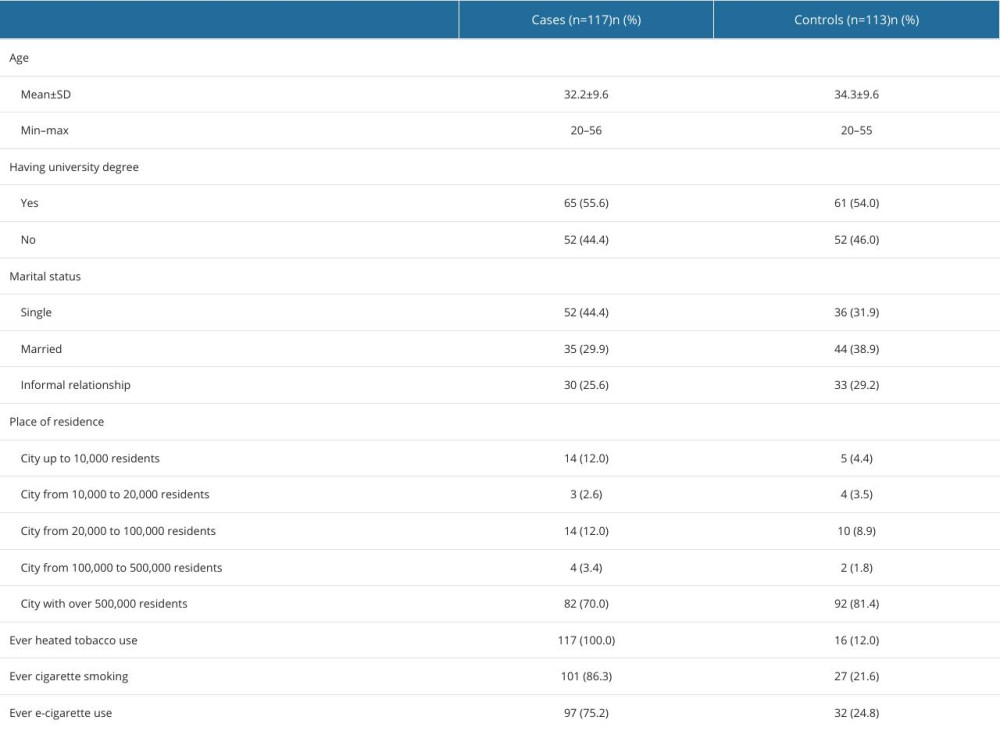 Table 2. Anthropometric measurements results, exhaled CO levels, and blood pressure measurements levels: cases vs controls (n=230).
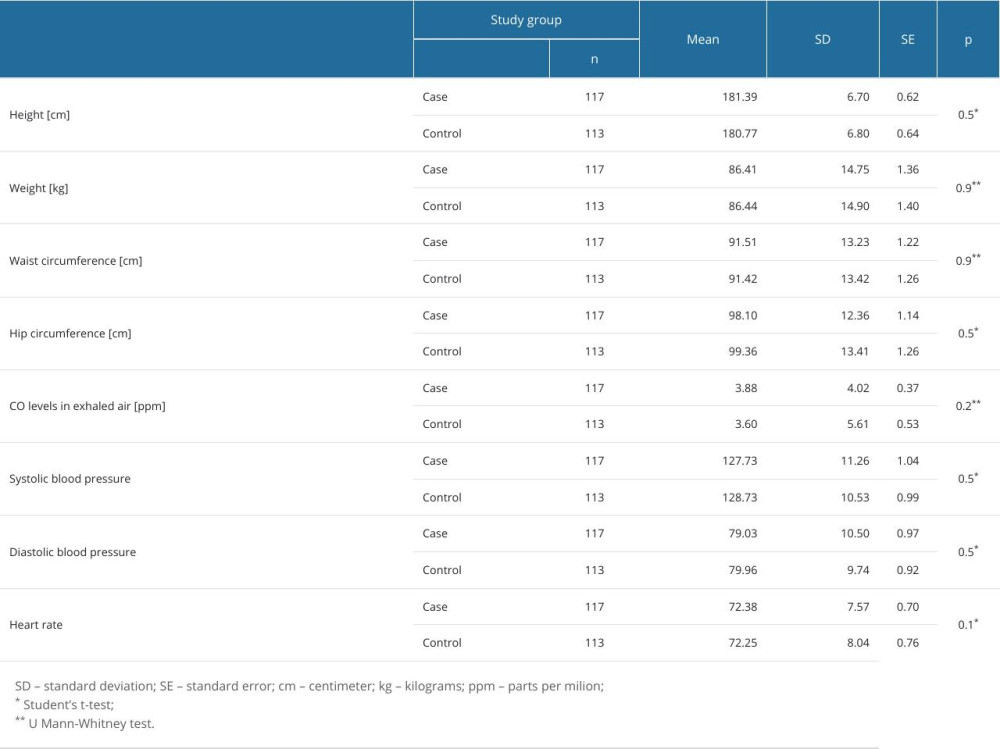 Table 3. Complete blood count results: cases vs controls (n=230).
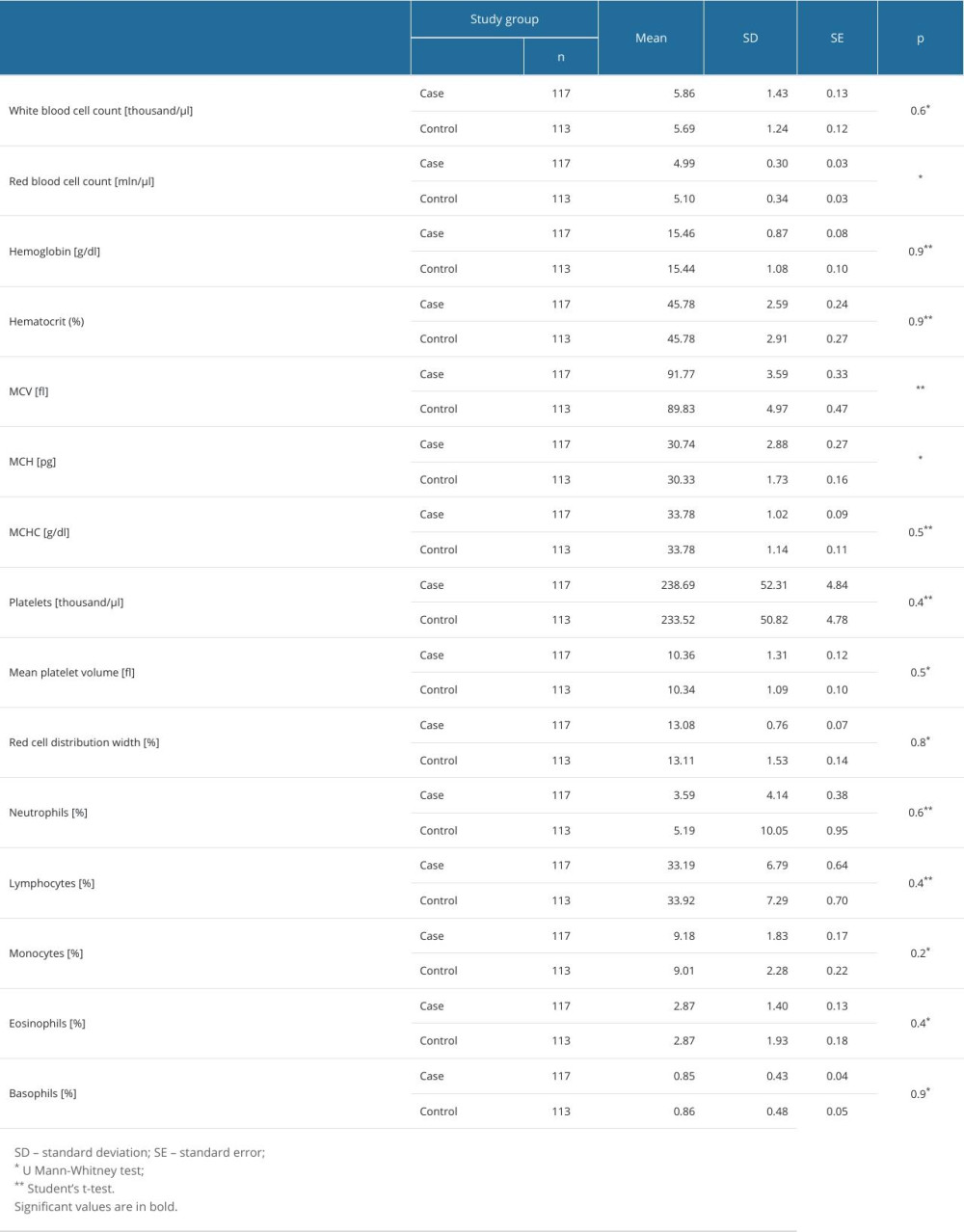 Table 4. Adhesion molecules concentration, C-reactive protein (CRP) and fibrinogen levels: cases vs controls (n=230).
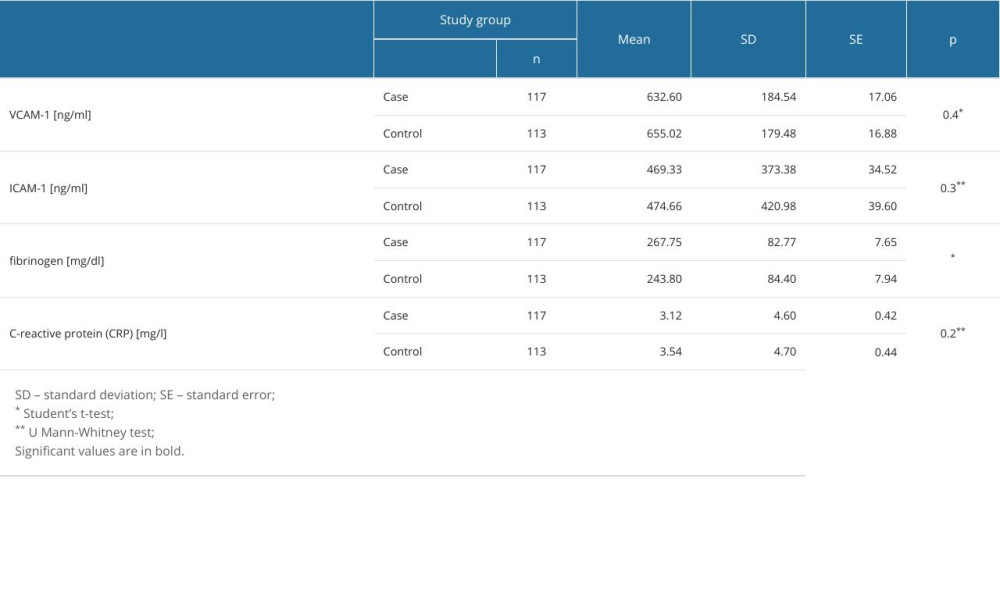 Table 5. Correlation between the adhesion molecules concentration, fibrinogen levels, and the daily number of heated tobacco sticks used in the last 90 days among heated tobacco users (n=117).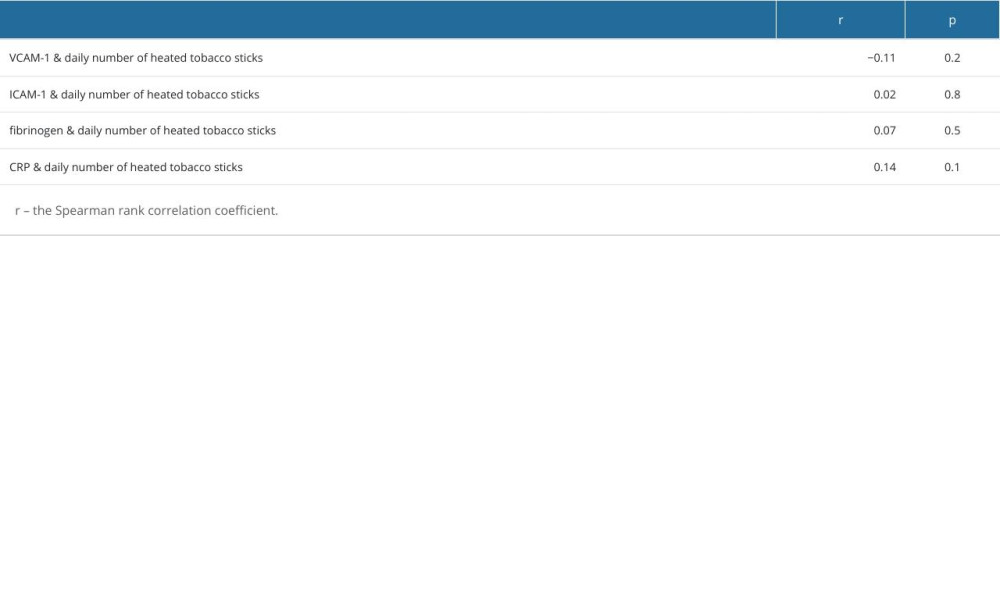
References
1. Doll R, Peto R, Boreham J, Sutherland I, Mortality from cancer in relation to smoking: 50 years observations on British doctors: Br J Cancer, 2005; 92(3); 426-29
2. Siddiqi K, Husain S, Vidyasagaran A, Global burden of disease due to smokeless tobacco consumption in adults: An updated analysis of data from 127 countries: BMC Med, 2020; 18(1); 222
3. Troncoso MF, Ortiz-Quintero J, Garrido-Moreno V, VCAM-1 as a predictor biomarker in cardiovascular disease: Biochim Biophys Acta Mol Basis Dis, 2021; 1867(9); 166170
4. Santos JCD, Cruz MS, Bortolin RH, Relationship between circulating VCAM-1, ICAM-1, E-selectin and MMP9 and the extent of coronary lesions: Clinics (Sao Paulo), 2018; 73; e203
5. Mathew DT, Peigh G, Lima JAC, Associations of circulating vascular cell adhesion molecule-1 and intercellular adhesion molecule-1 with long-term cardiac function: J Am Heart Assoc, 2024; 13(6); e032213
6. Krintus M, Kozinski M, Kubica J, Sypniewska G, Critical appraisal of inflammatory markers in cardiovascular risk stratification: Crit Rev Clin Lab Sci, 2014; 51(5); 263-79
7. Hunter KA, Garlick PJ, Broom I, Effects of smoking and abstention from smoking on fibrinogen synthesis in humans: Clin Sci (Lond), 2001; 100(4); 459-65
8. Yu J, Liu Y, Peng W, Xu Z, Serum VCAM-1 and ICAM-1 measurement assists for MACE risk estimation in ST-segment elevation myocardial infarction patients: J Clin Lab Anal, 2022; 36(10); e24685
9. Jiang L, Yang A, Li X, Down-regulation of VCAM-1 in bone mesenchymal stem cells reduces inflammatory responses and apoptosis to improve cardiac function in rat with myocardial infarction: Int Immunopharmacol, 2021; 101(Pt A); 108180
10. Salvador AM, Nevers T, Velázquez F, Intercellular adhesion molecule 1 regulates left ventricular leukocyte infiltration, cardiac remodeling, and function in pressure overload-induced heart failure: J Am Heart Assoc, 2016; 5(3); e003126
11. Demerath E, Towne B, Blangero J, Siervogel RM, The relationship of soluble ICAM-1, VCAM-1, P-selectin and E-selectin to cardiovascular disease risk factors in healthy men and women: Ann Hum Biol, 2001; 28(6); 664-78
12. Chen HW, Lii CK, Ku HJ, Wang TS, Cigarette smoke extract induces expression of cell adhesion molecules in HUVEC via actin filament reorganization: Environ Mol Mutagen, 2009; 50(2); 96-104
13. Lino DOC, Freitas IA, Meneses GC, Interleukin-6 and adhesion molecules VCAM-1 and ICAM-1 as biomarkers of post-acute myocardial infarction heart failure: Braz J Med Biol Res, 2019; 52(12); e8658
14. Sun T, Anandan A, Lim CCW, Global prevalence of heated tobacco product use, 2015–22: A systematic review and meta-analysis: Addiction, 2023; 118(8); 1430-44
15. Jankowski M, Brożek GM, Lawson J, New ideas, old problems? Heated tobacco products – a systematic review: Int J Occup Med Environ Health, 2019; 32(5); 595-634
16. Başaran R, Güven NM, Eke BC: Turk J Pharm Sci, 2019; 16(3); 371-74
17. Majek P, Jankowski M, Brożek GM, Acute health effects of heated tobacco products: Comparative analysis with traditional cigarettes and electronic cigarettes in young adults: ERJ Open Res, 2023; 9(3); 00595-2022
18. Goebel I, Mohr T, Axt PN, Watz H, Impact of heated tobacco products, E-cigarettes, and combustible cigarettes on small airways and arterial stiffness: Toxics, 2023; 11(9); 758
19. Świątkowska B, Jankowski M, Kaleta D, Comparative evaluation of ten blood biomarkers of inflammation in regular heated tobacco users and non-smoking healthy males – a pilot study: Sci Rep, 2024; 14(1); 8779
20. Zięba S, Błachnio-Zabielska A, Maciejczyk M, Impact of smoking on salivary lipid profile and oxidative stress in young adults: A comparative analysis between traditional cigarettes, e-cigarettes, and heat-not-burn products: Med Sci Monit, 2024; 30; e942507
21. Gross MD, Bielinski SJ, Suarez-Lopez JR, Circulating soluble intercellular adhesion molecule 1 and subclinical atherosclerosis: The Coronary Artery Risk Development in Young Adults Study: Clin Chem, 2012; 58(2); 411-20
22. Luc G, Arveiler D, Evans A, Circulating soluble adhesion molecules ICAM-1 and VCAM-1 and incident coronary heart disease: The PRIME Study: Atherosclerosis, 2003; 170(1); 169-76
23. Håkansson L, Björnsson E, Janson C, Schmekel B, Increased adhesion to vascular cell adhesion molecule-1 and intercellular adhesion molecule-1 of eosinophils from patients with asthma: J Allergy Clin Immunol, 1995; 96(6 Pt 1); 941-50
24. Shappell SB, Mendoza LH, Gurpinar T, Expression of adhesion molecules in kidney with experimental chronic obstructive uropathy: The pathogenic role of ICAM-1 and VCAM-1: Nephron, 2000; 85(2); 156-66
25. Musiał K, Zwolińska D, Polak-Jonkisz D, Berny U, Serum VCAM-1, ICAM-1, and L-selectin levels in children and young adults with chronic renal failure: Pediatr Nephrol, 2005; 20(1); 52-55
26. Bui TM, Wiesolek HL, Sumagin R, ICAM-1: A master regulator of cellular responses in inflammation, injury resolution, and tumorigenesis: J Leukoc Biol, 2020; 108(3); 787-99
27. Haydinger CD, Ashander LM, Tan ACR, Smith JR, Intercellular adhesion molecule 1: More than a leukocyte adhesion molecule: Biology (Basel), 2023; 12(5); 743
28. Stefanović MP, Petronijević N, Dunjić-Kostić B, Role of sICAM-1 and sVCAM-1 as biomarkers in early and late stages of schizophrenia: J Psychiatr Res, 2016; 73; 45-52
29. Pantovic-Stefanovic M, Petronijevic N, Dunjic-Kostic B, Differentiating stages of bipolar and unipolar depression-the possible role of sICAM-1 and sVCAM-1: Cells, 2024; 13(14); 1213
30. Hamza AM, Ali WDK, Hassanein N, Relation between macrophage inflammatory protein-1 and intercellular adhesion molecule-1 and computed tomography findings in critically-ill Saudi COVID-19 patients: J Infect Public Health, 2022; 15(12); 1497-502
31. Singh V, Kaur R, Kumari P, Pasricha C, Singh R, ICAM-1 and VCAM-1: Gatekeepers in various inflammatory and cardiovascular disorders: Clin Chim Acta, 2023; 548; 117487
32. Papayianni A, Alexopoulos E, Giamalis P, Circulating levels of ICAM-1, VCAM-1, and MCP-1 are increased in haemodialysis patients: Association with inflammation, dyslipidaemia, and vascular events: Nephrol Dial Transplant, 2002; 17(3); 435-41
33. Kaur R, Singh V, Kumari P, Novel insights on the role of VCAM-1 and ICAM-1: Potential biomarkers for cardiovascular diseases: Ann Med Surg (Lond), 2022; 84; 104802
34. Chetan I-M, Vesa ŞC, Domokos Gergely B, Increased levels of VCAM-1 in patients with high cardiovascular risk and obstructive sleep apnea syndrome: Biomedicines, 2024; 12(1); 48
35. Zoppini G, Targher G, Cacciatori V, Chronic cigarette smoking is associated with increased plasma circulating intercellular adhesion molecule 1 levels in young type 1 diabetic patients: Diabetes Care, 1999; 22(11); 1871-74
36. Mazzone A, Cusa C, Mazzucchelli I, Cigarette smoking and hypertension influence nitric oxide release and plasma levels of adhesion molecules: Clin Chem Lab Med, 2001; 39(9); 822-26
37. Ardiana M, Santoso A, Hermawan HO, Acute effects of cigarette smoke on endothelial nitric oxide synthase, vascular cell adhesion molecule 1 and aortic intima media thickness: F1000Res, 2023; 10; 396
38. Scott DA, Stapleton JA, Wilson RF, Dramatic decline in circulating intercellular adhesion molecule-1 concentration on quitting tobacco smoking: Blood Cells Mol Dis, 2000; 26(3); 255-58
39. Izzicupo P, Di Valerio V, D’Amico MA, NAD(P)H oxidase and pro-inflammatory response during maximal exercise: Tole of C242T polymorphism of the P22PHOX subunit: Int J Immunopathol Pharmacol, 2010; 23(1); 203-11
40. Rafaqat S, Afzal S, Khurshid H, The role of major inflammatory biomarkers in the pathogenesis of atrial fibrillation: J Innov Card Rhythm Manag, 2022; 13(12); 5265-77
41. Klovaite J, Nordestgaard BG, Tybjærg-Hansen A, Benn M, Elevated fibrinogen levels are associated with risk of pulmonary embolism, but not with deep venous thrombosis: Am J Respir Crit Care Med, 2013; 187(3); 286-93
42. Zhang F, Liu L, Sha Y, Risk factors of venous thromboembolism in patients with lung cancer before surgery: A case control study: Cancer Control, 2022; 29; 10732748221127826
43. Cacciapaglia F, Spadaccio C, Gregorj C, Apoptosis and autoimmunity induced by clodronate in systemic lupus erythematosus mononuclear circulating cells: Int J Immunopathol Pharmacol, 2010; 23(2); 535-42
44. Kannel WB, Wolf PA, Castelli WP, D’Agostino RB, Fibrinogen and risk of cardiovascular disease. The Framingham Study: JAMA, 1987; 258(9); 1183-86
45. Howard G, Burke GL, Szklo M, Active and passive smoking are associated with increased carotid wall thickness. The Atherosclerosis Risk in Communities Study: Arch Intern Med, 1994; 154(11); 1277-82
46. Tuut M, Hense HW, Smoking, other risk factors and fibrinogen levels. evidence of effect modification: Ann Epidemiol, 2001; 11(4); 232-38
47. Abbassi A, Qureshi HA, Ghafoor S, Effect of chronic cigarette smoking on plasma fibrinogen and haematocrit: Pak J Med Health Sci, 2016; 8(1); 125-28
48. Helman N, Rubenstein LS, The effects of age, sex, and smoking on erythrocytes and leukocytes: Am J Clin Pathol, 1975; 63(1); 35-44
49. Zhang Z, Gao S, Dong M, Luo J, Relationship between red blood cell indices (MCV, MCH, and MCHC) and major adverse cardiovascular events in anemic and nonanemic patients with acute coronary syndrome: Dis Markers, 2022; 2022; 2193343
50. Huang H, Zhang Y, Cheng J, Evaluating the changes of white matter microstructures in tobacco addicts based on diffusion tensor imaging: Med Sci Monit, 2020; 26; e919105
Tables
Table 1. Characteristics of the study population (n=230).Table 2. Anthropometric measurements results, exhaled CO levels, and blood pressure measurements levels: cases vs controls (n=230).Table 3. Complete blood count results: cases vs controls (n=230).Table 4. Adhesion molecules concentration, C-reactive protein (CRP) and fibrinogen levels: cases vs controls (n=230).Table 5. Correlation between the adhesion molecules concentration, fibrinogen levels, and the daily number of heated tobacco sticks used in the last 90 days among heated tobacco users (n=117). In Press
Clinical Research
Association Between Total Cholesterol–to–High-Density Lipoprotein Ratio and Gestational Hypertension: A Cas...Med Sci Monit In Press; DOI: 10.12659/MSM.952395
Review article
Clinical Use of Endotracheal Intubation Without Neuromuscular Blockade: The Current Stage of KnowledgeMed Sci Monit In Press; DOI: 10.12659/MSM.951765
Clinical Research
Effect of Dexmedetomidine Hydrochloride Nasal Spray on Anxiety and Sleep in Patients Undergoing Gynecologic...Med Sci Monit In Press; DOI: 10.12659/MSM.952465
Clinical Research
Prognostic Value of Mortality Scoring Systems in Patients With Severe Burns: Identifying Key Predictors of ...Med Sci Monit In Press; DOI: 10.12659/MSM.951713
Most Viewed Current Articles
17 Jan 2024 : Review article 14,176,173
Vaccination Guidelines for Pregnant Women: Addressing COVID-19 and the Omicron VariantDOI :10.12659/MSM.942799
Med Sci Monit 2024; 30:e942799
13 Nov 2021 : Clinical Research 3,757,769
Acceptance of COVID-19 Vaccination and Its Associated Factors Among Cancer Patients Attending the Oncology ...DOI :10.12659/MSM.932788
Med Sci Monit 2021; 27:e932788
14 Dec 2022 : Clinical Research 2,466,143
Prevalence and Variability of Allergen-Specific Immunoglobulin E in Patients with Elevated Tryptase LevelsDOI :10.12659/MSM.937990
Med Sci Monit 2022; 28:e937990
16 May 2023 : Clinical Research 708,797
Electrophysiological Testing for an Auditory Processing Disorder and Reading Performance in 54 School Stude...DOI :10.12659/MSM.940387
Med Sci Monit 2023; 29:e940387